

Putting your family’s needs first
Birth Injury Claims Solicitors
A birth injury, whether it happens during pregnancy, labour, delivery or in your baby’s first year, can have a profound and lasting impact. We help families secure the compensation, care, therapy and long-term support they need, for both mother and child.
- No Win, No Fee
- Free, confidential advice
- Specialists in maternity negligence

Reviewed by Neil Holland, Director and Head of Compensation
Last reviewed: September 2026
Check if you have a birth injury claim
Free and confidential. Takes less than 60 seconds.
Your details are 100% confidential. We never share your information.
Our accreditations




Do I have a birth injury claim?
A birth injury claim arises when a healthcare professional fails to provide care to an acceptable standard before, during or after labour, and that failure leads to an avoidable injury. You may have a claim if:
- You or your baby were harmed during pregnancy, labour, delivery or the postnatal period
- Something important was missed, delayed or done incorrectly by a healthcare professional
- You believe the outcome could have been different with better care
- You are unsure whether negligence was involved: we can investigate this for you
Not certain whether what happened was negligence? You are not expected to know. A free, no-obligation conversation can help, and there is no pressure to proceed.
Why choose us for birth injury claims?
Our clinical negligence practice is defined by technical excellence, an integrated legal and clinical team and a deep commitment to client service. We handle some of the most serious and complex birth injury cases in the region.
Expert legal and clinical insight
Birth injury claims often involve lifelong care needs and settlements reaching millions of pounds. Our in-house nurses work closely with our solicitors to review medical evidence, identify breaches early and build medically informed cases from the outset.
Complex, high-value case experience
We act in multi-track claims in the High Court across HIE, cerebral palsy, obstetric errors, neonatal injury and amputation. We are recognised for analysing complex breach of duty and causation issues from the very beginning of a case.
NHS and private healthcare claims
We represent families affected by negligent maternity care in both NHS and private settings. Whether your treatment was provided by an NHS Trust, private hospital, obstetric consultant or midwifery team, we have the expertise to investigate what happened and pursue the answers and compensation you deserve.
Independent expert evidence
Birth injury claims are built on robust medical evidence. We work with leading independent obstetric, midwifery, neonatal and paediatric experts to establish whether opportunities were missed, identify the causes of injury and strengthen your case from the outset.
We act for both mother and baby
We represent both mother and baby in complex maternity negligence cases: severe perineal tears, obstetric injury, psychological trauma and neonatal harm. Mothers’ injuries are just as serious as infant injuries, and we fight for both.
Supporting families nationwide
With offices in Yorkshire, we support families across England and Wales. Whether you prefer to meet in person, at home, in hospital or remotely, our specialist team can provide expert advice and representation wherever you are.
No financial risk to you
No Win, No Fee means you pay nothing unless we win. We pursue early interim payments wherever possible, so your family is not left waiting for the therapy, equipment and care they need now.
Support beyond the legal claim
We provide practical and rehabilitative support alongside your claim: occupational therapy access, benefits guidance, supported discharge, home adaptations and pro bono holistic support for all injured people.
Lifelong financial protection
Unlike many firms, our Directors are willing to personally act as Trustees for your compensation award. They take on legal responsibility for your funds, so your child’s needs are met for the long term, not just the duration of the claim.
Neil Holland leads our birth injury team, with over 25 years specialising in medical negligence.
Meet the whole teamTalk to a specialist, free and in confidence
SRA regulatedRegulated by the Solicitors Regulation Authority
30+ yearsof specialist experience
No Win, No FeeNothing to pay upfront
How your claim works
We handle the legal side so you can focus on your family and your recovery.
Free initial chat
You call or send the form. We listen to what happened and give you clear, early guidance on whether a claim may be possible.
Records and expert evidence
With your permission we get the medical records and ask independent medical experts whether the care fell below standard and caused harm.
Valuing your claim
We work out the full cost of what happened: pain and suffering, lost earnings, care, therapy, equipment and future needs.
Making the claim
We send the Letter of Claim and deal with NHS Resolution or the insurers for you.
Settlement
Most claims settle without going to court. If court is needed, we prepare everything and support you throughout.
No Win, No Fee. You pay nothing unless we win, with no upfront costs. Claiming against the NHS will not affect your care or your family’s future treatment.
What is a birth injury negligence claim?
A claim may involve injury to the baby, such as brain damage, cerebral palsy, HIE, shoulder dystocia injuries or Erb’s palsy; injury to the mother, such as severe perineal tears, haemorrhage, infection, surgical errors or psychological trauma; or injury to both mother and baby, which is more common than many families realise.
To bring a successful claim, we need to show three things:
- Duty of care: the medical professionals involved were responsible for providing you with safe, competent care.
- Breach of duty: they failed to meet that standard. Examples include inadequate monitoring, missing signs of distress, mismanaging labour or delaying a necessary caesarean section.
- Causation: that failure directly caused or worsened the injury.
If you are unsure whether what happened amounts to negligence, that is completely normal. Many families do not know until they speak with a specialist. A free, no-obligation conversation with our team can help you understand your options.
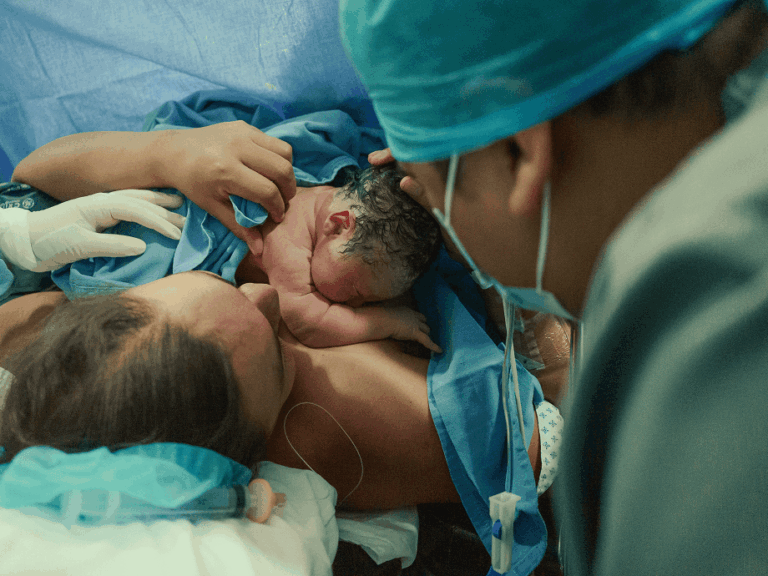
Types of birth injury and maternity negligence
Birth injuries can affect either the baby, the mother or both. Many families arrive here unsure whether their experience fits into a recognised category of maternity negligence. This guide explains the most common types of injuries and the medical errors that can lead to them, helping you understand whether what happened may have been avoidable.
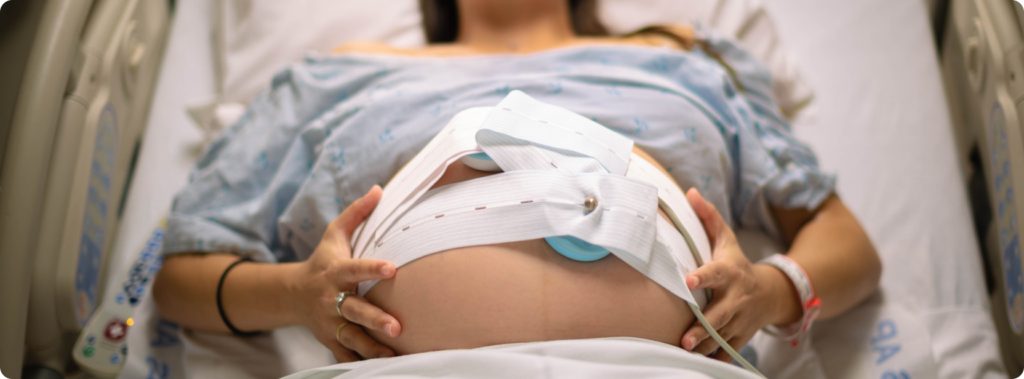
Pregnancy related negligence
Mistakes do not only occur during labour and delivery. Failures during antenatal care can result in avoidable harm to both mother and baby. Common examples include missed diagnoses, inadequate monitoring and delays in referring high-risk pregnancies for specialist assessment.
Failure to recognise fetal growth restriction
Fetal Growth Restriction (FGR) occurs when a baby is not growing as expected during pregnancy. Negligence may arise where concerns are missed, growth is not appropriately monitored, or referrals for further assessment are delayed, increasing the risk of complications, stillbirth or neonatal injury.
Failure to diagnose pre-eclampsia
Pre-eclampsia is a serious pregnancy complication associated with high blood pressure and organ dysfunction. Negligence can occur when symptoms, test results or warning signs are not recognised, monitored or acted upon promptly, placing both mother and baby at risk of significant harm.
Failure to monitor reduced fetal movements
Reduced fetal movements can be an important indicator that a baby is not thriving in the womb. Negligence may arise where concerns raised by the mother are not taken seriously, appropriate investigations are not undertaken, or necessary intervention is delayed, resulting in avoidable injury or loss.
Failure to diagnose gestational diabetes
Gestational diabetes can increase the risk of complications during pregnancy and delivery for both mother and baby. Negligence may occur where testing is not carried out when indicated, abnormal results are overlooked, or the condition is poorly managed, leading to avoidable birth injuries and neonatal complications.
Delayed referral to specialist services
Some pregnancies require input from specialist obstetric, fetal medicine or maternal medicine teams. Negligence can arise when referrals are delayed, overlooked or not acted upon appropriately, preventing timely investigation, monitoring or treatment of known risks.
Failure to identify congenital abnormalities
Antenatal screening and ultrasound examinations are designed to identify certain abnormalities and conditions during pregnancy. Negligence may occur where abnormalities are missed, scans are misinterpreted, or significant findings are not communicated appropriately, depriving parents of important information, treatment options or birth planning opportunities.
Injuries to the mother
Maternal injuries are a significant and often overlooked area of maternity negligence. Many mothers are told their experience was “normal”, even when serious errors occurred. We advocate for both mother and child. Mothers’ injuries are just as serious as infant injuries, and many are entirely preventable with proper monitoring.
Severe perineal tears (3rd and 4th degree)
These injuries can occur naturally, but negligence arises when they are missed, misdiagnosed or repaired incorrectly. According to the Royal College of Obstetricians and Gynaecologists, around 6 in 100 first-time mothers experience a severe tear, but proper identification and treatment are essential to prevent long-term complications including incontinence and chronic pain.
Pre-eclampsia and eclampsia
Failure to diagnose or monitor pre-eclampsia can lead to life-threatening complications, including eclampsia, stroke and organ failure. Early detection and management are critical, and failures in monitoring can form the basis of a maternity negligence claim.
Postpartum haemorrhage (PPH)
Negligence may occur when excessive bleeding is not recognised quickly or managed appropriately, leading to emergency surgery, blood transfusion or long-term harm. Delayed response to signs of haemorrhage is a recognised form of maternity negligence.
Anaesthesia errors
These can occur during labour or caesarean section and may involve incorrect dosing, failure to manage complications or inadequate monitoring of the patient’s response.
C-section errors
Caesarean sections are common procedures, but mistakes can occur when surgery is delayed, performed incorrectly, or followed by inadequate monitoring. In some cases, an emergency caesarean section is required to prevent harm to the mother or baby, and delays in recognising the need for delivery or carrying out the procedure can lead to avoidable injury. Errors such as organ damage, uncontrolled bleeding, infection, or failure to recognise complications can leave mothers facing long-term physical and emotional consequences.
Retained placenta
A retained placenta requires prompt recognition and treatment. When healthcare professionals fail to identify retained tissue or delay necessary intervention, mothers may suffer severe pain, infection, haemorrhage or the need for further surgery.
Infections after delivery
Postnatal infections can develop when wounds, tears or surgical sites are not properly monitored or treated. Missed symptoms, delayed antibiotics or inadequate follow-up care can allow an infection to worsen, sometimes leading to sepsis or long-term health issues.
Failure to diagnose ectopic pregnancy
A missed ectopic pregnancy can rupture, causing internal bleeding, emergency surgery and long-term fertility issues. Delayed or missed diagnosis is a recognised form of gynaecological and maternity negligence.
Maternal collapse
Maternal collapse is a rare but serious obstetric emergency that can occur during pregnancy, labour or shortly after birth. Negligence may arise where warning signs are missed, treatment is delayed, or medical staff fail to respond appropriately, leading to avoidable injury, brain damage or loss of life.
Uterine rupture
Uterine rupture is a rare but serious maternity emergency, often requiring immediate intervention. Negligence may occur where warning signs are missed or treatment is delayed, placing both mother and baby at risk of catastrophic injury.
Failed repair surgery
Following childbirth, surgical repair may be required for severe tears, episiotomies or other birth-related injuries. Negligence can occur where repairs are performed incorrectly, complications are not identified, or symptoms are dismissed, resulting in ongoing pain, incontinence, infection or the need for further surgery.
Bladder injury
Bladder injuries can occur during childbirth or caesarean section procedures. Delays in recognising damage, failures to investigate symptoms, or inadequate surgical repair can lead to infection, urinary problems, pain and long-term complications affecting daily life.
Bowel injury
Bowel injuries may arise during caesarean sections, complex deliveries or surgical procedures following birth. Negligence may occur where an injury is caused unnecessarily, missed during surgery, or diagnosed too late, leading to infection, sepsis, further operations and significant long-term health consequences.
Maternal sepsis and delayed treatment
Maternal sepsis is a serious complication that can develop from untreated infections during pregnancy or after childbirth. Negligence may occur when symptoms are not recognised, concerns are not properly investigated, or antibiotics and emergency treatment are delayed, allowing the condition to progress and cause life-changing injury or death.
Birth trauma and psychological injury
Some mothers experience severe psychological harm following a traumatic pregnancy, labour or birth. Negligence may contribute where complications are poorly managed, concerns are dismissed, communication is inadequate, or avoidable injuries occur. The consequences can include post-traumatic stress disorder (PTSD), anxiety, depression, fear of future pregnancy and difficulties bonding with a baby. Psychological injuries are real, serious and increasingly recognised in maternity negligence claims, whether they occur alongside physical injury or as a result of the birth experience itself.
Injuries to the baby
Birth injuries affecting babies can range from temporary conditions to lifelong disabilities. These often occur when mistakes are made during pregnancy monitoring, labour management or immediate neonatal care.
Cerebral palsy (often caused by HIE)
Cerebral palsy is a lifelong neurological condition affecting movement, coordination and muscle control. While not all cases are caused by medical negligence, some arise from avoidable brain injuries sustained during pregnancy, labour or delivery, particularly where a baby experiences prolonged oxygen deprivation. Birth injury claims involving cerebral palsy are among the most complex and highest-value medical negligence cases, often reflecting the significant care, therapy, equipment and accommodation needs that may arise throughout a child’s life.
Erb’s palsy / brachial plexus injury
Damage to the brachial plexus nerves can occur when excessive force or incorrect technique is used during delivery, particularly in shoulder dystocia. This can lead to weakness, loss of movement or paralysis in one arm.
HIE and neonatal brain injury
Hypoxic-Ischaemic Encephalopathy (HIE) is a form of brain injury caused by a lack of oxygen and blood flow to a baby’s brain before, during or shortly after birth. In severe cases, HIE can lead to cerebral palsy, epilepsy, developmental delay, learning difficulties and lifelong care needs. Negligence may occur where signs of foetal distress are missed, delivery is delayed, CTG monitoring is misinterpreted, or concerns are not escalated appropriately.
Failure to monitor a baby’s heart rate during labour is one of the most common causes of birth injury claims. Abnormal CTG traces can indicate that a baby is in distress and may require urgent intervention. Where warning signs are missed or not acted upon promptly, avoidable brain injury can occur.
Meconium aspiration syndrome
Where a baby inhales meconium before or during birth, breathing difficulties and oxygen deprivation can occur. Negligence may arise where signs of foetal distress are missed, labour is not appropriately monitored, or delivery is delayed despite indicators that urgent intervention is required.
Umbilical cord prolapse
Umbilical cord prolapse is an obstetric emergency that can significantly reduce a baby’s oxygen supply. Delays in recognising the condition or carrying out emergency delivery can result in serious brain injury, HIE or, in the most severe cases, stillbirth.
Some babies require therapeutic cooling treatment shortly after birth to reduce the severity of brain injury. If your baby’s case has been referred to the Maternity and Newborn Safety Investigations Special Health Authority (MNSI) or NHS Resolution’s Early Notification Scheme (ENS), it is advisable to seek independent specialist advice, as these referrals are often associated with concerns about the care provided.
Skull fractures and head injuries
These can occur during assisted deliveries (forceps or ventouse) when instruments are used incorrectly or with excessive force.
Intracranial haemorrhage
Intracranial haemorrhage occurs when bleeding develops inside a newborn’s skull, often due to trauma or avoidable complications during labour. This can place significant pressure on a baby’s brain, leading to long-term developmental, cognitive or physical challenges. In many cases it is linked to delays in responding to foetal distress, improper use of forceps or ventouse, or failures to manage high-risk pregnancies appropriately.
Developmental delay and cognitive impairment
Avoidable brain injury at birth can lead to long-term developmental, cognitive or behavioural difficulties that may not become apparent until months or years later. If your child has been diagnosed with a condition you suspect may be connected to their birth or early care, our team can help you understand whether those concerns may amount to medical negligence.
Neonatal infections and neurological injury
Some conditions may only become apparent as a child develops, while others arise from infections or complications that were not recognised and treated appropriately during the neonatal period. These include:
- Meningitis: when fever, poor feeding or unusual drowsiness are missed or dismissed, the infection can progress rapidly, leading to brain injury, hearing loss or developmental difficulties.
- Kernicterus: a preventable form of brain damage caused by untreated or poorly managed jaundice.
- Group B Strep (GBS) infections: rapid-onset infections in newborns that can lead to sepsis, meningitis and serious long-term complications if risk factors are not identified and treated promptly.
- Neonatal sepsis: a serious infection which can develop rapidly when signs of illness are not recognised or acted upon. Delays in diagnosis or treatment may result in organ damage, brain injury or death.
- Neonatal stroke: often unnoticed during the newborn period and only identified later when a child develops movement, coordination or developmental difficulties.
Stillbirth and neonatal death
Negligent monitoring, delayed intervention, or missed signs of infection or foetal distress can tragically lead to stillbirth or the death of a newborn. If you believe inadequate care contributed to the loss of your baby, our team can help you understand whether you may have grounds for a claim.
Could this be you?
Many parents come to this page because something during their pregnancy, labour or early postnatal care simply did not feel right. These real-world examples show situations that can lead to a birth injury or maternity negligence claim.

Concerns about movement brushed aside
A mother repeatedly told her midwife she had not felt her baby move for several hours. Her concerns were brushed aside, and by the time she was finally assessed, her baby had suffered a serious brain injury due to lack of oxygen.
A tear that was never repaired
Another mother had a severe perineal tear during delivery that went unnoticed. Weeks later, still in pain and struggling with incontinence, she learned the tear had never been properly examined or repaired.
Symptoms put down to “normal recovery”
After giving birth, a mother repeatedly reported severe abdominal pain and fever, but her symptoms were put down to “normal recovery”. Days later she was admitted with a serious infection caused by retained placental tissue that should have been found before discharge.
If something similar happened to you, or you feel your concerns were ignored when you needed proper care, we can help you understand what went wrong and whether you may have grounds for a claim.
What should I do next?
If you have concerns about the care you or your baby received during pregnancy, labour, delivery or postnatal treatment, you do not need to have all the answers before seeking support. The following steps may help you better understand what happened and what options may be available.
Seek any ongoing treatment and support you need
Your health and your baby’s wellbeing should always come first. Attend any follow-up appointments and seek medical advice if you have continuing concerns.
Keep copies of letters, appointments and medical information
Hospital correspondence, discharge summaries and appointment records can help build a clearer picture of the care you received.
Write down what happened while it is still fresh in your mind
A timeline of key events, conversations and concerns can be valuable if questions arise later.
Request your maternity, neonatal and GP records
Medical records often provide important information about decisions made during pregnancy, labour, delivery and postnatal care.
Ask whether a review, investigation or post-birth discussion is available
Many hospitals offer opportunities for parents to discuss their experience following a difficult pregnancy or delivery. This can help you gain a clearer understanding of what happened, raise concerns about your care, understand any investigations that have taken place, and explain the impact the experience has had on you and your family.
Seek independent specialist advice
Our specialist birth injury team can help you understand what happened, explain your options and advise whether further investigation may be appropriate.
Access emotional and practical support
Charities, support groups and specialist organisations may be able to provide guidance, information and support for you and your family. See sources of support below.
Sources of support following a birth injury
A birth injury can affect every aspect of family life. Alongside legal advice, many families benefit from emotional, practical and specialist support. The following organisations may be able to help.

For babies and children
- Cerebra Support and advice for children with neurological conditions, acquired brain injuries and complex needs.
- Contact Information, guidance and practical support for families caring for disabled children and children with additional needs.
- Scope Support, information and community services for disabled children and their families.
- Child Brain Injury Trust Specialist support for children affected by brain injury and the families caring for them.
- Shine Support for people and families affected by spina bifida and hydrocephalus.
Pregnancy and birth trauma
- Birth Trauma Association Support and information for parents affected by traumatic birth experiences.
- MASIC Foundation Support for women living with severe birth injuries, including third and fourth degree tears.
- Tommy’s Pregnancy, baby loss and pregnancy complication support, information and resources.
- Sands Support for families affected by stillbirth, neonatal death and pregnancy loss.
- Bliss Support and advice for families of premature and sick babies receiving neonatal care.
Emotional and practical support
- Citizens Advice Guidance on benefits, finances, employment rights and accessing support services.
- NHS Talking Therapies Access to NHS-supported counselling and therapy services for anxiety, trauma, depression and related conditions.
- Headway Information and support for individuals and families affected by acquired brain injury.
Every family’s circumstances are different. If you have concerns about the care you or your baby received, our specialist birth injury team can provide independent advice, help you understand what happened, and explain whether further investigation may be appropriate.
Not sure if you have a claim? Talk it through with us, free and in confidence.
Your privacy matters
Many families worry about discussing sensitive experiences or pursuing a claim because they are concerned about privacy. We understand these concerns and treat every enquiry with complete confidentiality.
- Confidential advice from the outset: your initial conversation with our team is private and without obligation.
- Sensitive handling of personal information: medical records and personal information are handled securely throughout the claims process.
- Protection for children: where claims involve children, special legal safeguards may apply and we can explain the protections available in your particular case.
- Support without pressure: many families contact us simply to better understand what happened, long before deciding whether to pursue a claim.
Every case is different. We will assess yours honestly and for free.
How much compensation can I claim for a birth injury?
Birth injury claims are among the highest value legal cases in England, reflecting the profound and lifelong impact these injuries can have on a child and their family. Compensation is designed to cover the full impact of the injury, not just the immediate harm.
-
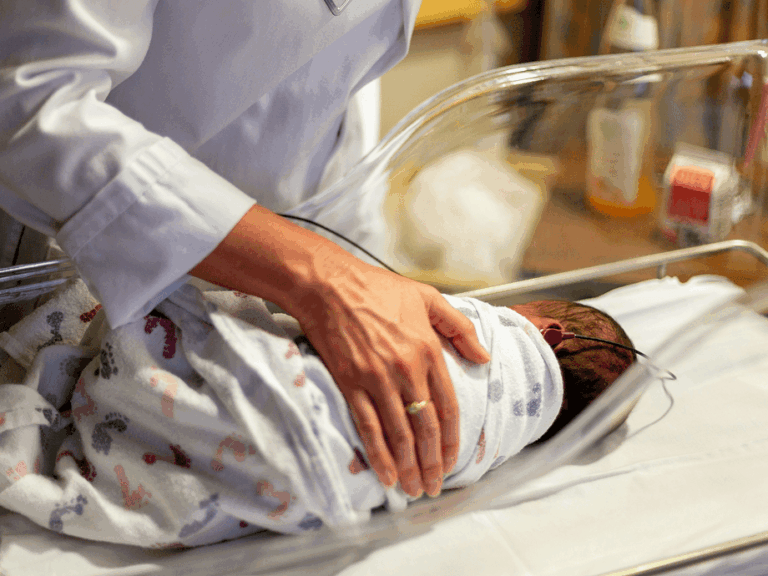
If the claim involves injury to the baby
- General damages: the child’s pain, suffering and loss of amenity throughout their life
- Past and future care: professional carers, case managers and the value of care given by family
- Therapy and rehabilitation: physiotherapy, occupational therapy, speech and language therapy and neuropsychological support
- Specialist equipment: wheelchairs, mobility aids, communication devices, hoists, specialist seating and beds
- Educational support: specialist schooling, one-to-one support and SEN provision
- Accommodation: purpose-built or adapted housing, with space for live-in carers
- Transport: adapted vehicles for wheelchairs and medical equipment
- Loss of future earnings: where the child’s disability will affect their ability to work
- Family carer’s lost earnings: where a parent has reduced or left work to provide care
-
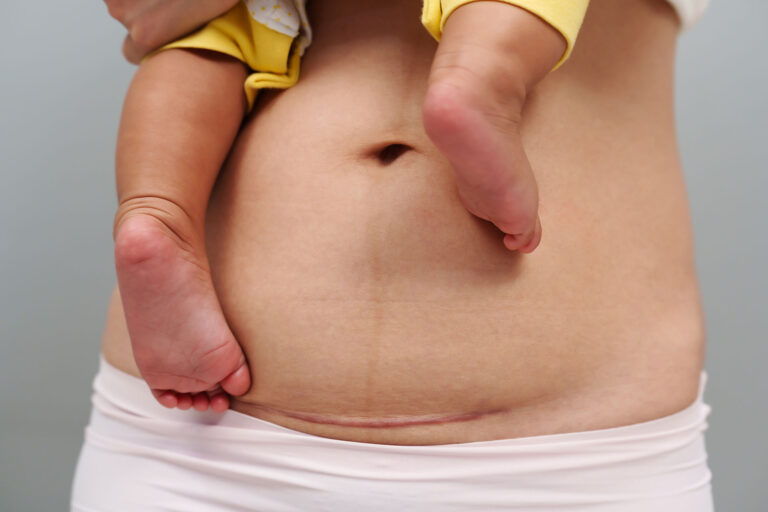
If the claim involves injury to the mother
- General damages: pain, suffering and loss of amenity resulting from the injury
- Loss of earnings: past and future income lost because of the injury
- Treatment, surgery and ongoing care: medical treatment, corrective surgery, physiotherapy and long-term care
- Psychological support: therapy for PTSD, birth trauma, anxiety or other psychological injuries
- Impact on family life: loss of enjoyment of family life, relationships and daily activities
Indicative compensation ranges
These figures cover general damages only: the part of an award that compensates for pain, suffering and loss of amenity.
- Moderate brain damage affecting quality of lifeApproximately£282,010 to £403,990
- Milder brain damage with some ongoing impactApproximately£15,320 to £43,060
- Erb’s palsy (brachial plexus injury)Varies widely: tens of thousands to several hundred thousand pounds, depending on severity
- Severe perineal tears with lasting consequencesDepends on the nature, severity and permanence of the injury
In the most serious cases the total settlement is usually much higher, because it also includes care, therapy, equipment, adapted housing and loss of earnings. For cases involving lifelong care, total settlements frequently exceed £5 million and can reach £20 million or more.
Periodical payments explained
In high-value birth injury claims, compensation is often a combination of a lump sum, paid at the end of the case, and periodical payments: annual payments for the rest of the child’s life to cover ongoing care and case management. Periodical payments are index-linked, so they rise with the cost of care. Our team will explain exactly how this works as part of your claim.
Every case is different. Past results do not guarantee future outcomes.
Support beyond the legal process
Families affected by birth injury need far more than legal representation. Most law firms see a birth injury claim as a transaction: we see it as the beginning of a lifelong commitment. You are never passed from person to person or handed off to a third party.
Early interim payments
We pursue interim payments as soon as liability is admitted, securing funds during the claim for urgent therapy, equipment, adapted housing and rehabilitation.
In-house clinical support
Our in-house nurses and occupational therapist help you understand what happened and identify your family’s immediate care and support needs from the first appointment.
No referral fees
Your case stays with the team you know and trust. We do not pass your case to third parties: the people who fight for you are the people who stay with you.
Rehabilitation and specialist networks
Access to neuro-rehabilitation, physiotherapy, occupational therapy, speech and language therapy and psychological support, in-house and through trusted specialist partners.

Trusts and deputyships: support that lasts
In high-value birth injury cases, a settlement is just the beginning. The money may need to provide for a child for 40, 60 or 80 years. Unlike many firms that outsource this to large corporations, our Directors act as Trustees or Deputies themselves.
- Because we know you: after years of working together, we understand your family’s specific needs better than any bank or external provider ever could
- Absolute accountability: our Directors take on personal legal responsibility for your funds, so the compensation we secured is used exactly as intended: specialist schooling, adapted housing, therapies and lifelong care
- A shield for your family: we handle the tax, the Court of Protection reports and the financial administration, so you can go back to being a parent, not a case manager
Why we are unique
- Medical-first legal team: we understand the medical reality of your injury, every day
- Lifelong financial protection: in-house Personal Injury Trusts and Deputyship services safeguard your benefits and make your compensation last
- Direct accountability: a direct line to the people making decisions, from day one to years down the road
Frequently asked questions
The questions families ask most often. If yours is not here, call us for an informal chat.
What is a birth injury negligence claim?
A birth injury negligence claim is a legal claim brought when a healthcare professional’s failure during pregnancy, labour, delivery or the postnatal period causes an injury that should have been avoided. This may involve harm to the baby (such as cerebral palsy, HIE, Erb’s palsy, fractures or neonatal infection) or to the mother (such as severe perineal tears, undiagnosed pre-eclampsia, postpartum haemorrhage or psychological trauma). If the care you received fell below an acceptable standard and caused harm, you may be entitled to compensation.
What types of birth injury can lead to a claim?
Birth injury claims can arise from many different situations. For babies, this may include cerebral palsy or HIE caused by oxygen deprivation, Erb’s palsy from excessive force during delivery, neonatal brain injury or skull fractures, delayed or missed diagnosis of complications and stillbirth or neonatal death linked to negligent monitoring. For mothers, this may include severe perineal tears that were missed or mismanaged, undiagnosed pre-eclampsia, postpartum haemorrhage, anaesthetic errors and psychological birth trauma including PTSD. If you are unsure whether your experience fits one of these categories, we can talk it through with you in a free consultation.
Who can make a birth injury claim?
A mother can bring a claim for injuries she suffered during pregnancy, labour or after birth. A parent or guardian can bring a claim on behalf of an injured child. If a child lacks mental capacity and will always lack capacity, there is no time limit for bringing a claim. In cases involving stillbirth or neonatal death, parents may be able to bring a claim depending on the circumstances. We can explain exactly who is eligible to claim in your specific situation.
How long do I have to make a claim?
Time limits can be complex in birth injury cases. As a general guide: for mothers, the usual time limit is three years from the date of the negligent treatment, or from when you first realised negligence may have caused your injury. For children, a claim can be brought at any time before their 21st birthday if they have mental capacity. If a child lacks mental capacity, there is no time limit. Because these rules can vary, we recommend seeking legal advice as early as possible.
How long does a birth injury claim take?
It depends on the complexity of the case and whether the NHS Trust admits liability early. Some cases settle within one to two years, especially where early admissions are made. More complex cases, particularly those involving severe brain injury, disputed causation or uncertain long-term prognosis, may take longer. We will give you a realistic timescale at the start and keep you updated throughout.
Will I have to go to court?
Most birth injury claims settle through negotiation, mediation or round table meetings. In some cases, especially where NHS Resolution disputes liability, it may be necessary to issue court proceedings to move the case forward. This does not mean the case will go to a full trial, as many settle after proceedings begin. If court involvement becomes necessary, we will guide and support you at every stage.
My baby’s case has been referred to the Early Notification Scheme or MNSI. What should I do?
If your baby suffered a serious brain injury at birth and your hospital has referred the case to MNSI (Maternity and Newborn Safety Investigations) or NHS Resolution’s Early Notification Scheme, you should seek independent specialist legal advice as soon as possible. These investigations are carried out by NHS-linked organisations. Independent advice helps you fully understand your child’s rights, your options and the long-term implications.
How much compensation might we receive?
The value of a birth injury claim depends on the severity of the injury and the child’s or mother’s long-term needs. For serious injuries involving lifelong care, total settlements can reach several million pounds, often combining a lump sum with periodical payments that rise with the cost of care. For less severe injuries, compensation reflects the impact on quality of life, treatment needs and financial losses. We will always work to value your claim in full.
Will making a claim affect our future NHS care?
No. Bringing a claim does not affect your or your child’s right to receive NHS treatment. Many families find that making a claim helps them understand what happened and can contribute to improvements in maternity care for others.
Is there any upfront cost?
No. We act on a No Win, No Fee basis. There is no upfront cost, and if your claim is not successful, you will not pay our fees. We explain exactly how the funding works before you proceed.
Meet the Team
You will work with a dedicated, specialist team from your first call right through to settlement. These are the people behind your claim.
Directors / Solicitors / Senior Leads
Neil Holland
Director and Head of Compensation
Over 25 years specialising in medical negligence
With over 25 years’ specialist experience, Neil leads the firm’s compensation division and is recognised for securing substantial compensation for clients with life-changing injuries, including amputation and limb loss, serious injury and complex medical negligence claims. He understands that a successful claim is about far more than financial compensation alone. His focus is on helping clients access the rehabilitation, treatment, prosthetics, care and support they need to rebuild their lives with confidence.
Known for his calm, strategic approach, Neil works closely with rehabilitation providers, charities and medical professionals to ensure clients receive the best possible support throughout their recovery. He also provides long-term guidance on the management of compensation awards and is frequently entrusted with trustee and deputyship roles to help protect clients’ futures.

Helen Richardson
Associate Director
25 years’ experience
Helen specialises in catastrophic injury arising from clinical negligence and serious personal injury. Known for forensic precision and strategic insight, she is a bold advocate in complex liability and causation cases: birth injury, brain injury and life-changing harm.

Catherine Reynolds
Senior Associate
20 years’ experience
Catherine is a highly experienced CILEx Litigator specialising in personal injury and clinical negligence claims. With almost 20 years representing claimants in personal injury matters and 8 years focused on clinical negligence, she combines extensive technical expertise with a compassionate, client-centred approach. Catherine is committed to guiding clients through complex and often life-changing cases with sensitivity, dedication and clear legal advice.

Mark Slade
Associate Director
30 years’ experience
Mark brings three decades of specialist experience in complex clinical negligence and serious personal injury. Known for clear guidance, early rehabilitation focus and consistently strong results in high-value, multi-track cases, he brings a calm, practical approach that helps families navigate the legal process with confidence.

Donna Forrester
Head of Operations
Over 20 years’ experience
Donna plays a key role in supporting clients with life-changing injuries, including amputation and limb loss, acquired brain injury, traumatic brain injury and complex orthopaedic trauma. Having spent her early career specialising in workplace injury claims, including injuries sustained by military personnel, she brings extensive experience across both personal injury and clinical negligence matters. Known for her exceptional attention to detail and client-focused approach, Donna works closely with solicitors, rehabilitation providers and support organisations to help clients access the therapies, services and practical assistance they need throughout their recovery. She is highly experienced in the preparation of complex, high-value claims, ensuring every aspect of a client’s losses and future needs is carefully considered. As Head of Operations, Donna also leads the firm’s Deputyship and Trust team, helping clients and families secure long-term financial protection and support following catastrophic injury.

Ashleigh Wiles
Solicitor
4 years’ experience
Ashleigh qualified as a Solicitor in March 2026 and has 4 years prior experience. She provides vital support to the team and assists with the day to day running and timely progression on cases, both on her own files and those she is assisting on. She provides a helpful service to our clients always going the extra mile.
Speak To
Friendly, familiar faces who will answer your call, take your details and guide you to the right specialist.

Michaela

Charlie

Kacy

Olivia

Leonie

Precious

Jacob
How we work
We are a family-focused team dedicated to providing a personal and supportive service. While we are based in Yorkshire, we assist clients nationwide and can arrange visits where needed. We offer home and hospital visits, flexible meeting times, and keep you informed at every stage without overwhelming you.
Understanding what happened often starts with a detailed review of the medical records. We can obtain and assess maternity, midwifery, obstetric, neonatal and GP records, helping to identify key decisions, missed opportunities and areas that may require further investigation. Your dedicated solicitor is always just a phone call away.
- Home and hospital visits
- Flexible meeting times
- Your medical records obtained and reviewed
- Your solicitor a phone call away
Here when you are ready
Whether you want answers, support or to start a claim, a short, free conversation is the first step. There is no pressure and no obligation.
- No Win, No Fee: nothing to pay upfront
- Free initial consultation with a specialist, no obligation
- Your details stay completely confidential
Get your free claim check
Takes less than 60 seconds. No obligation.