

Brain Injury Claims Solicitors
If you or a loved one has suffered a brain injury, our specialist solicitors can help you understand your options and pursue the compensation and support you may be entitled to. Whether the injury arose from medical negligence, an accident or a combination of both, we are here to help.
- No Win, No Fee
- Free Initial Consultation
- Specialist Brain Injury Team
- Over 30 Years’ Experience
We understand that, in the aftermath of a serious brain injury, families are often looking for answers, rehabilitation and practical support long before they are thinking about making a claim. Our team can help you understand what happened, explore your legal options and access the support that may be available to you.

Reviewed by Neil Holland, Director and Head of Compensation
Last reviewed: 10 July 2026
Check If You Have a Claim
Takes less than 60 seconds
Your details are 100% confidential. We never share your information.
Our accreditations


Why Specialist Legal Advice Matters
Brain injury claims are among the most complex and serious cases in both medical negligence and catastrophic personal injury law. Whether a brain injury resulted from negligent medical treatment, an accident or a combination of both, specialist legal advice can make a significant difference. Our team has extensive experience investigating complex claims, securing compensation for rehabilitation and future needs and supporting families through every stage of recovery.
Expert Representation From Day One
Your case is handled by our specialist brain injury team. We have experience in both medical negligence and catastrophic personal injury claims and understand the medical, rehabilitation and legal issues that arise in serious brain injury cases.
Complex, High-Value Case Experience
We have a proven track record handling serious, long-term brain injury cases. We know how to build strong claims to recover full compensation for both current and future needs.
Immediate Post-Discharge Support
We provide practical guidance and compassionate support from the moment you leave hospital, helping you access rehabilitation, services and the assistance you need during your recovery journey.
No Financial Risk to You
No Win, No Fee means you pay nothing unless we win your case. There are no upfront costs and no hidden fees. It’s that simple.
We Come to You
We offer home and hospital visits, flexible meeting times and accessible communication. You don’t need to travel when you’re unwell.
A Record of Results
Our team has secured substantial compensation awards for people with brain injuries, helping fund lifetime care, rehabilitation and financial security.
Free, confidential, no obligation
Neil Holland leads our brain injury team, with over 25 years specialising in medical negligence.
Meet the whole team


Talk to a specialist, free and in confidence
SRA regulatedRegulated by the Solicitors Regulation Authority
30+ yearsof specialist experience
No Win, No FeeNothing to pay upfront
Do I Have a Brain Injury Claim?
You may be entitled to compensation if you or a loved one has suffered a brain injury because of any of the following:
- Medical negligence
- A road traffic accident
- A workplace accident
- A fall or accident in a public place
- A sporting incident
- Criminal assault
- Defective products or unsafe equipment
- A combination of an accident and subsequent negligent medical treatment

Every case is different and many people are unsure whether they may have a claim. That is completely normal. In many cases, people are less concerned with whether they have a claim and more concerned with understanding what happened and what support may be available. We can help with both.
Understanding Whether You Have a Claim
The requirements will depend on how the brain injury occurred. Some claims arise from medical negligence, while others arise from accidents or other incidents for which somebody else may be responsible.
-
Medical Negligence Claims
- A healthcare professional or organisation owed you a duty of care.
- The standard of care fell below what would reasonably be expected.
- That failure caused or materially contributed to the brain injury or made the outcome significantly worse.
-
Accident and Personal Injury Claims
- Another person, organisation or insurer was responsible for the incident.
- Reasonable steps were not taken to keep you safe.
- The accident caused your brain injury and resulting losses.
Free, confidential and no obligation
How Brain Injuries Occur
Brain injuries can arise through medical negligence, traumatic accidents or a combination of both. Understanding how the injury occurred is often the first step in identifying whether compensation may be available.

Medical Negligence Causes
- Delayed diagnosis or treatment of stroke
- Surgical errors causing bleeding or oxygen deprivation
- Anaesthetic errors or oxygen deprivation
- Birth injuries, including HIE and cerebral palsy
- Missed infections such as meningitis, sepsis or encephalitis
- Negligent monitoring on wards or ICU
- Delayed aneurysm treatment
- Mismanaged post-operative complications
- Delayed diagnosis or treatment of subarachnoid haemorrhage
- Hyponatraemia, or low sodium, mismanagement
- Incorrect medication or inappropriate treatment
- Delayed diagnosis or mismanagement of hydrocephalus or raised intracranial pressure
Traumatic Causes
- Road traffic accidents
- Motorcycle and cycling accidents
- Pedestrian accidents
- Workplace accidents
- Construction site accidents
- Slips, trips and falls
- Sporting accidents
- Criminal assaults
- Defective products
- Unsafe premises
Cases Involving Both Accident and Medical Negligence
Some of the most complex brain injury claims involve both an accident and subsequent negligent medical treatment.
For example, a person may sustain a head injury in a road traffic accident but then suffer additional neurological damage because warning signs were missed, scans were delayed or treatment was not provided quickly enough. In these circumstances, we can investigate both aspects of the case to ensure all potential claims are identified.
Many people are uncertain whether their circumstances give rise to a claim, particularly where the cause of a brain injury is not immediately clear. That’s exactly why our free assessment exists. We’ll listen to your circumstances, investigate what happened and give you an honest assessment of your legal options.
The Effects of a Brain Injury
Brain injuries can affect memory, concentration, communication, mobility, emotional wellbeing, employment, independence and family life. The impact often extends to carers and relatives who provide long-term support.
The effects of a brain injury may be immediate or may develop over time. Even a brain injury that initially appears mild can have significant long-term consequences for independence, employment, relationships and quality of life.
Cognitive problems, including memory, attention and executive function
Physical disability, mobility and balance issues
Communication and speech difficulties
Behavioural and personality changes
Fatigue and mental health impacts

Could This Be You?
A patient went to A&E with a severe headache and confusion. They were sent home without a CT scan. Two days later, they collapsed. The delayed stroke diagnosis led to permanent brain damage that could have been significantly reduced with earlier treatment.
Following a road traffic accident, an adult suffered a traumatic brain injury that required ongoing rehabilitation and support. Compensation helped fund specialist therapies, care and future financial security.
How We Can Help, Even If You’re Unsure About a Claim
Rehabilitation Comes First
When a serious brain injury occurs, the immediate priority is rarely legal action. Most individuals and families are focused on treatment, rehabilitation, recovery and adjusting to significant changes in everyday life.
While compensation can provide important long-term support, our priority is helping clients access the rehabilitation, treatment and services they need as early as possible.
We work closely with rehabilitation professionals, charities and support organisations to help individuals and families navigate the challenges of life after a brain injury.

If you or a loved one has suffered a brain injury, it is always worth speaking to our team, even if you are unsure how the injury happened or whether a legal claim exists. We can help you understand the circumstances surrounding the injury and identify whether there may be grounds for a medical negligence claim, a personal injury claim or both.
With your permission, we can obtain and review relevant evidence, including medical records, police reports, accident investigation documents and other key records. Where appropriate, we can also work with independent experts to investigate what happened.
Even if we ultimately conclude that we cannot assist with a legal claim, we will do our best to direct you to an organisation, service or professional who can help.
A serious brain injury can feel overwhelming, but you do not have to navigate it alone. Our team is always happy to listen, provide guidance and help point you in the right direction.
- Signpost you to specialist rehabilitation providers and support services
- Introduce you to charities and organisations that support people living with brain injuries
- Recommend trusted case managers, therapists and care specialists
- Help you understand what financial, welfare or community support may be available
- Provide clear advice about your legal options and next steps
How Much Compensation Can I Claim for a Brain Injury?
Brain injury claims often involve substantial sums because of the long-term impact on your life, independence and the wider impact on your family and loved ones. Compensation is designed to cover everything you need, now and in the future.
The amount awarded will depend on the severity of the brain injury, its impact on your daily life, employment, independence and relationships, together with your rehabilitation, care and future support needs. Every case is unique and will be assessed on its own circumstances.
Pain, Suffering & Loss of Independence
Past & Future Lost Earnings and Pension
Professional & Family Care Costs
Therapy & Rehabilitation
Home Adaptations, Equipment & Technology
Accommodation & Transport Needs
Professional Deputyship & Financial Management Costs
Example: Our team secured a seven-figure settlement for a young adult after a delayed stroke diagnosis, funding lifetime care and rehabilitation.
Every case is unique: we assess yours individually. Past results do not guarantee future outcomes.
Free, confidential and no obligation
Support That Goes Beyond the Legal Process
A brain injury affects every part of your life. That’s why we don’t just focus on your legal case: we work to get you the rehabilitation, therapies and practical support you need as quickly as possible, often through interim payments before your case concludes.
Early Rehabilitation
Getting rehabilitation, physiotherapy and therapies in place as soon as possible to give you the best chance of recovery.
Specialist Support Team
Access to neuro-rehabilitation specialists, case managers, occupational therapists and social care advisers.
Interim Payments
We can often arrange early access to compensation so you can fund treatment and care while your case progresses.
Beyond Legal
Help with benefits, local support groups and connections to brain injury charities such as Headway.
Practical Support for Families After Brain Injury
We can help with access to specialist neuro-rehabilitation, welfare benefits and funding, hospital discharge planning, case managers and therapists, advice for family members and carers and connections with Headway and other support organisations.
Families and Carer Support
Caring for a loved one with a brain injury can be physically and emotionally demanding. Family members and carers often find themselves navigating complex care needs, rehabilitation appointments, financial concerns and significant changes to daily life.
We recognise the vital role that family members and carers play throughout recovery and long-term rehabilitation. We can help identify sources of support, signpost families to specialist organisations and ensure carers’ needs are considered when planning future care and support.
Benefits and Welfare Support
A brain injury can have a significant impact on finances, employment and day-to-day living. We can signpost you to specialist advice and support with Personal Independence Payment, Employment and Support Allowance, Universal Credit and other financial support that may be available following a serious brain injury.
Long-Term Care Planning
A severe brain injury can have lifelong consequences, affecting independence, accommodation, employment, care needs and family life. We work closely with clients, families and rehabilitation professionals to ensure current and future needs are properly understood and planned for, both during and after the legal process.

Securing Your Future After a Brain Injury
Securing compensation is not the end of the journey. For many people living with a severe or life-changing brain injury, careful planning is needed to ensure that compensation continues to support their needs long into the future.
We help clients and their families access specialist advice on managing compensation awards, protecting financial security and planning confidently for the years ahead.
- Setting up a Personal Injury Trust
- Protecting access to means-tested benefits
- Managing compensation awards responsibly
- Financial planning for long-term care and support
- Deputyship and Court of Protection arrangements
- Planning for children who receive compensation
In appropriate cases, our support can continue long after a claim has concluded. Members of our team have extensive experience assisting families with deputyship, trusts and the long-term management of compensation awards, helping to ensure that funds are protected and used to support the injured person’s needs throughout their lifetime.
Our aim is to help ensure that any compensation awarded provides long-term security, stability and peace of mind, allowing you and your family to focus on recovery, independence and quality of life.
How the Brain Injury Claims Process Works
We handle the legal complexity so you can focus on recovery. Here’s what to expect:
Free, confidential, no obligation
Free Initial Assessment
We listen to your story, discuss how the brain injury occurred, review the key circumstances and advise whether there may be grounds for a medical negligence claim, a personal injury claim or both. Your assessment is completely free and confidential.
Funding & Instruction
We agree No Win, No Fee terms and sign the retainer. There are no upfront costs and no hidden fees.
Investigating What Happened
Depending on the circumstances, we gather medical records, hospital documentation, accident reports, police reports, witness evidence and independent expert opinions to establish liability and build the strongest possible case.
Assessing Your Needs
Working with rehabilitation specialists, medical experts and case managers, we assess your current and future needs, including care, therapy, equipment, accommodation, rehabilitation and financial losses.
Pursuing Compensation
We present your claim to the organisation, insurer or healthcare provider responsible and negotiate on your behalf. Where appropriate, we may seek interim payments to fund rehabilitation, treatment, care and support before the claim concludes.
Resolution
Most brain injury claims settle without the need for a court trial. If court proceedings become necessary, we guide you and your family through every stage and continue fighting for the outcome you deserve.
Time Limits for Brain Injury Claims
- 3 years
The usual deadline can change where the injured person is a child or lacks mental capacity.
There are strict time limits for bringing a brain injury compensation claim. In many cases, court proceedings must be started within three years of the accident, incident, negligent treatment or the date you first became aware that somebody else’s actions may have caused your injury.
Brain injury claims are often more complex. Different time limits and exceptions can apply, particularly where the injured person is a child or lacks the mental capacity to manage their own affairs.
Many people who suffer a serious brain injury experience cognitive difficulty, reduced insight, memory problems or a lack of mental capacity. In these situations, the usual time limits may not apply in the same way and a claim may be brought on their behalf by a family member, litigation friend or deputy.
Because limitation rules depend on individual circumstances, it is best to seek legal advice as soon as possible. Early advice can preserve important evidence and ensure investigations begin promptly.
Even if you believe the usual time limit may have passed, it is still worth speaking to our team. We can assess your circumstances and advise whether an exception may apply.
Claims for Children With Brain Injuries
A brain injury sustained during pregnancy, birth, infancy or childhood can have a profound impact on a child’s development, education, independence and future opportunities. Families are often faced with uncertainty about their child’s long-term care, rehabilitation and support needs.
Our specialist solicitors have experience supporting families whose children have suffered brain injuries as a result of medical negligence, accidents and other serious incidents. This may include birth injuries caused by failures in monitoring, delays in delivery, oxygen deprivation, untreated infections or other avoidable complications. It can also include road traffic accidents, accidents at school, sporting incidents and other traumatic events.
Securing compensation is about more than financial recovery. It is about ensuring access to the therapies, care, equipment, accommodation and educational support a child may need throughout their life. We work with medical, rehabilitation and care professionals to understand current and future needs and help secure support that maximises quality of life and future independence.
Time Limits for Child Brain Injury Claims
In most cases, children have different legal time limits from adults. Where a child has suffered a serious brain injury and lacks capacity as they grow older, different rules may also apply. Because every situation is unique, we recommend seeking specialist advice as early as possible.
We can also help families access wider professional support, including educational specialists, financial advisers, Court of Protection professionals and organisations that support children living with brain injuries.

Common Child Brain Injury Claims
- Birth injuries, including HIE and cerebral palsy
- Delayed emergency caesarean sections
- Oxygen deprivation during labour or delivery
- Failures in foetal monitoring
- Neonatal infections and missed meningitis
- Delayed diagnosis or treatment of serious childhood illnesses
- Road traffic accidents involving children
- School, playground and sporting accidents
- Serious accidents resulting in traumatic brain injury
Frequently Asked Questions
How much does it cost to make a brain injury claim?
Nothing upfront. We work on a No Win, No Fee basis, which means you pay nothing unless we successfully win your case. There are no hidden costs and no financial risk to you.
How do I know if I have a valid brain injury claim?
You may have a claim where medical care fell below acceptable standards, another person or organisation was responsible for an accident or both factors contributed to the brain injury. Our free, no-obligation assessment considers how the injury happened and gives you an honest view of your options.
How long do brain injury claims take?
Brain injury claims are often complex and can take 18 months to several years. However, we can usually arrange interim payments to help fund rehabilitation and support while your case progresses. We keep you updated at every stage.
How much compensation could I receive for a brain injury?
Every case is different. Compensation depends on the severity of the injury, its impact on your independence and ability to work and your long-term care needs. Brain injury claims can involve substantial sums: often six or seven figures for serious cases. We’ll give you an honest assessment of your claim’s value.
Will I have to go to court?
The vast majority of brain injury claims settle without going to court. If your case does need to go to trial, we prepare you thoroughly and support you every step of the way. You will never face this process alone.
Is there a time limit on making a brain injury claim?
Generally, you have three years from the date of the negligence, or from when you first became aware of it. For children, the three-year period starts on their 18th birthday. There are also exceptions for people who lack mental capacity. Contact us as soon as possible so we can check your eligibility.
What evidence do I need for a brain injury claim?
You don’t need to have gathered any evidence yourself. We obtain your medical records, instruct independent medical experts and build the full case on your behalf. Notes, dates or correspondence can be helpful, but they are not required to get started.
Can I claim on behalf of a child or somebody who lacks mental capacity?
Yes. A parent, guardian or appointed litigation friend can bring a claim on behalf of a child or an adult who lacks the mental capacity to manage their own case. A deputy may also be involved. We can explain the options and guide families through the process.
Will making a claim affect my NHS treatment?
No. Making a medical negligence claim will not affect the NHS treatment you or your family member receives. Your medical care continues as normal throughout the claims process.
I don’t want to sue the NHS. Is that what this is?
Your claim is against the hospital’s insurer, NHS Resolution, not individual doctors or nurses. It is about getting the compensation and support you need and can also help identify failures that could prevent others from being harmed. This is about accountability and your future.
What happens after hospital discharge?
Our team can help you understand the next steps and signpost you to rehabilitation providers, case managers, therapists, charities and welfare support. Where a claim proceeds, we may also seek interim payments to help fund treatment, care and rehabilitation before the case concludes.
Can I make a claim for a brain aneurysm that was misdiagnosed or diagnosed too late?
You may have a claim if the diagnosis or treatment fell below a reasonable standard and the delay caused or materially contributed to additional brain injury. We can review the medical records and obtain independent expert evidence where appropriate.
Can I claim compensation for a stroke misdiagnosis?
A claim may be possible where stroke symptoms were missed or treatment was delayed and earlier appropriate care would probably have prevented or reduced the injury. Our free assessment can help establish what needs to be investigated.
Can I claim for brain damage caused during birth?
A parent or litigation friend may be able to bring a claim where negligent care during pregnancy, labour, delivery or neonatal treatment caused or worsened a child’s brain injury. Different time-limit rules apply to children, so specialist advice is important.
Can I claim compensation for cerebral palsy caused by medical negligence?
A claim may be possible where substandard maternity or neonatal care caused or materially contributed to cerebral palsy. We investigate the medical evidence and the child’s lifelong care, therapy, accommodation, equipment and educational needs.
Can I claim if meningitis or sepsis caused a brain injury?
A claim may be possible if warning signs were missed, tests or treatment were delayed or care otherwise fell below a reasonable standard and this caused or worsened the brain injury. Each case depends on its medical evidence.
Can I make a claim for a brain injury after surgery?
You may have a claim if a surgical, anaesthetic, monitoring or post-operative failure caused oxygen deprivation, bleeding, infection or another avoidable brain injury. We can investigate what happened and whether the outcome should have been different.
Still have questions? Speak to our team: it’s free and confidential.
Meet the Team
You will work with a dedicated, specialist team from your first call right through to settlement. These are the people behind your claim.
Directors / Solicitors / Senior Leads
Neil Holland
Director and Head of Compensation
Over 25 years specialising in medical negligence
With over 25 years’ specialist experience, Neil leads the firm’s compensation division and is recognised for securing substantial compensation for clients with life-changing injuries, including amputation and limb loss, serious injury and complex medical negligence claims. He understands that a successful claim is about far more than financial compensation alone. His focus is on helping clients access the rehabilitation, treatment, prosthetics, care and support they need to rebuild their lives with confidence.
Known for his calm, strategic approach, Neil works closely with rehabilitation providers, charities and medical professionals to ensure clients receive the best possible support throughout their recovery. He also provides long-term guidance on the management of compensation awards and is frequently entrusted with trustee and deputyship roles to help protect clients’ futures.

Helen Richardson
Associate Director
25 years’ experience
Helen specialises in catastrophic injury arising from clinical negligence and serious personal injury. Known for forensic precision and strategic insight, she is a bold advocate in complex liability and causation cases: birth injury, brain injury and life-changing harm.
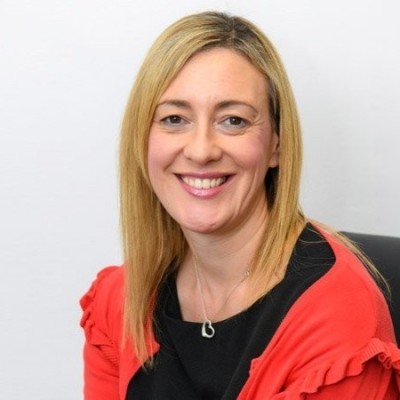
Catherine Reynolds
Senior Associate
20 years’ experience
Catherine is a highly experienced CILEx Litigator specialising in personal injury and clinical negligence claims. With almost 20 years representing claimants in personal injury matters and 8 years focused on clinical negligence, she combines extensive technical expertise with a compassionate, client-centred approach. Catherine is committed to guiding clients through complex and often life-changing cases with sensitivity, dedication and clear legal advice.

Mark Slade
Associate Director
30 years’ experience
Mark brings three decades of specialist experience in complex clinical negligence and serious personal injury. Known for clear guidance, early rehabilitation focus and consistently strong results in high-value, multi-track cases, he brings a calm, practical approach that helps families navigate the legal process with confidence.


Donna Forrester
Head of Operations
Over 20 years’ experience
Donna plays a key role in supporting clients with life-changing injuries, including amputation and limb loss, acquired brain injury, traumatic brain injury and complex orthopaedic trauma. Having spent her early career specialising in workplace injury claims, including injuries sustained by military personnel, she brings extensive experience across both personal injury and clinical negligence matters. Known for her exceptional attention to detail and client-focused approach, Donna works closely with solicitors, rehabilitation providers and support organisations to help clients access the therapies, services and practical assistance they need throughout their recovery. She is highly experienced in the preparation of complex, high-value claims, ensuring every aspect of a client’s losses and future needs is carefully considered. As Head of Operations, Donna also leads the firm’s Deputyship and Trust team, helping clients and families secure long-term financial protection and support following catastrophic injury.

Ashleigh Wiles
Solicitor
4 years’ experience
Ashleigh qualified as a Solicitor in March 2026 and has 4 years prior experience. She provides vital support to the team and assists with the day to day running and timely progression on cases, both on her own files and those she is assisting on. She provides a helpful service to our clients always going the extra mile.

Speak To
Friendly, familiar faces who will answer your call, take your details and guide you to the right specialist.

Michaela

Charlie

Kacy

Olivia

Leonie

Precious

Jacob


How We Work
We’re a family-focused team. We offer home and hospital visits, flexible meeting times and keep you informed at every stage without overwhelming you. Your dedicated solicitor is always just a phone call away.
- Home and hospital visits
- Flexible meeting times
- Informed at every stage
- Your solicitor a phone call away
Ready to Find Out If You Have a Claim?
Our specialist brain injury solicitors are here to help. Whether you’re sure you have a case or just need honest advice, we’re here to listen.
- No Win, No Fee: you pay nothing unless we win
- Free, confidential initial assessment
- No obligation: honest advice
Get My Free Assessment
Takes less than 60 seconds to check your eligibility
Your details are 100% confidential. We never share your information.
